Crypto · 2 min read
Crypto Branding: Trust Signals That Go Beyond a Logo
Build a credible crypto brand through clear product information, verifiable evidence and consistent presentation—without implying that good design proves safety.
A polished identity is not a security assessment
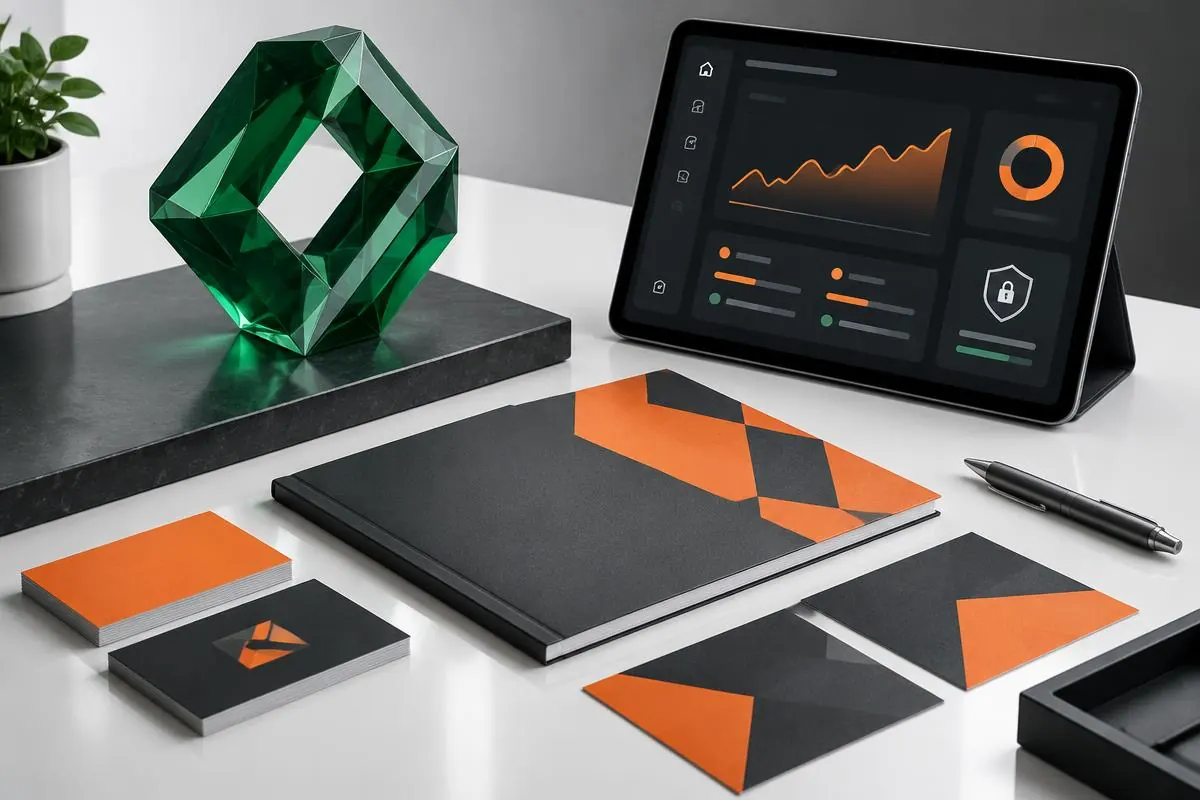
Crypto branding helps people identify and understand a project. It does not prove that a contract is secure, assets are protected or a team will deliver its roadmap. Keep those claims separate. A shield illustration or reassuring colour is not an audit. Start a credibility review by listing what your site claims and which public evidence supports each claim. Remove language that suggests certainty where the underlying product involves risk or an unresolved dependency.
Make official information easy to recognise
Use a consistent project name, domain and visual identity across documentation and public profiles. Put official links somewhere visitors can find without navigating through a campaign. If several products or networks are involved, explain the relationship plainly. Do not ask visitors to treat a familiar-looking logo as sufficient verification. Your design should support checking information, not replace it. Keep support routes identifiable and distinguish official announcements from community contributions.
Present evidence with its scope and date
If an audit, partnership or integration is relevant, link to a verifiable source and explain exactly what it covers. A historical audit may concern a different contract version. A logo on a page does not explain whether a company is a customer, integration provider or sponsor. Ask permission before presenting another organisation as an endorsement. Give product updates dates and remove stale claims. Ethereum.org's design principles describe credibility through consistency, social proof and freshness; those signals are strongest when the information is accurate.
Choose clarity over market excitement
A headline should explain the product rather than suggest guaranteed gains. Keep descriptions of capabilities separate from speculative outcomes. Label illustrations and demonstrations when they do not show a live product. Use ordinary language for fees, supported networks and limitations, with links to the detailed information. A crypto identity can be bold and distinctive without using urgency to pressure someone into an action. Your tone should leave room for visitors to investigate before deciding.
Review the whole credibility system
Place the homepage, documentation, social profile and a product screen side by side. Check whether they describe the same offer and use current information. A mismatch between polished marketing and confusing documentation weakens the story. Inspect small details such as broken links, inconsistent names and unreadable captions before adding another decorative element. Prioritise the details that help someone answer a real question about the product over purely visual signs of sophistication.
What to include in a crypto branding brief
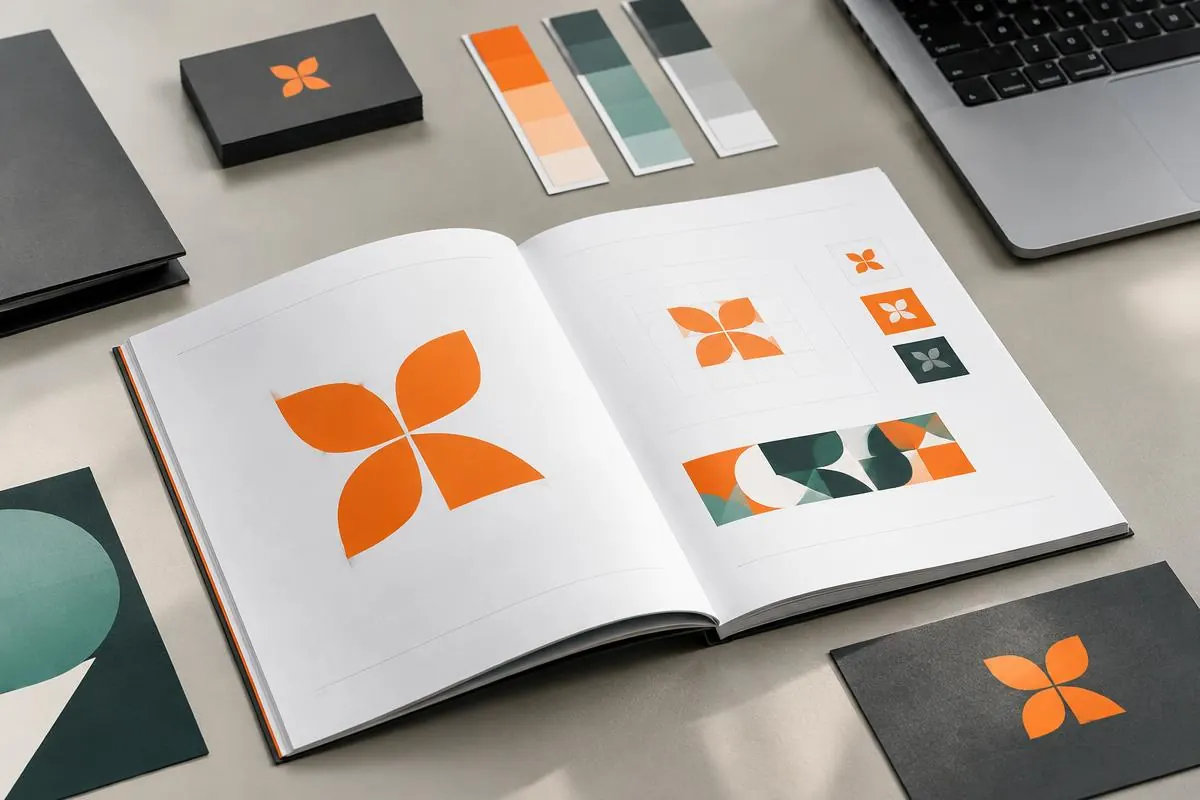
Give your designer the product's real function, intended audience, approved terminology, official links and any evidence that may be shown publicly. Include legal or compliance review where your offer needs it. Request an identity and templates that can accommodate risk information and long explanations without hiding them. MRL Creation's Token Brand and Promo Kit portfolio entries illustrate related identity and launch deliverables. They are useful references for visual scope, not proof that a design creates investor trust or financial performance.