Branding · 1 min read
Build a Brand System That Stays Recognisable Everywhere
Practical identity-design tips for keeping logos, colour, typography and imagery consistent across websites, products and launch campaigns.
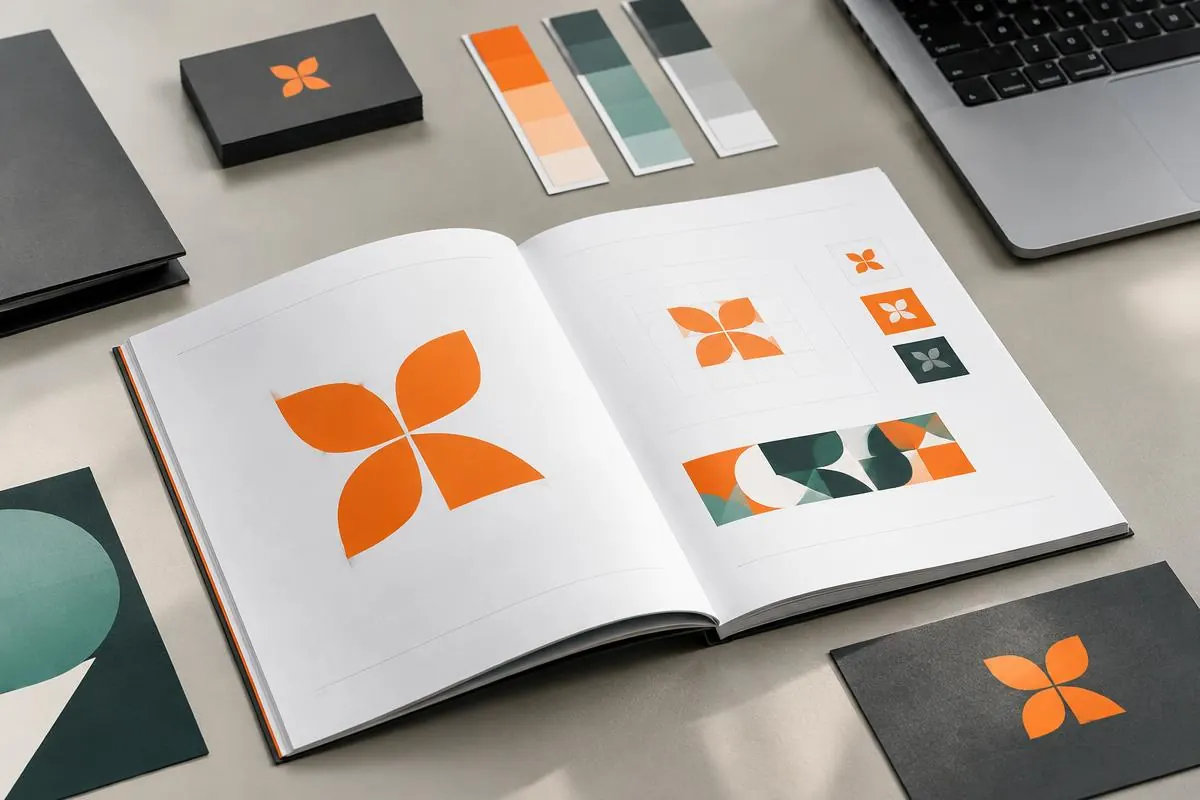
Choose the cues people should recognise
A useful identity is more than a folder of logo exports. Decide which few cues carry the brand: the silhouette of the mark, a primary colour, a type pairing, or a characteristic image treatment. Test the system without the logo. If every application could belong to another company, the supporting cues need more definition.
Separate fixed rules from flexible choices
Write down what must stay stable and what can adapt. Logo proportions and minimum clear space may be fixed; a layout can change between a phone, a deck and a wide website. Define those boundaries with actual examples. A rule saying ‘keep it consistent’ is less useful than showing a correct social post beside a correct product screen.
Make colour behave like a system
Give colours roles instead of using the accent everywhere. Distinguish brand emphasis, primary actions, background surfaces and status feedback. Test light and dark backgrounds separately, and check text contrast. An error should not be identified by colour alone. Keeping these roles clear helps marketing assets and product interfaces feel connected without forcing them into identical layouts.
Test typography with real content
Try long headings, numbers, navigation labels and small captions before approving a type system. A display face that works in a poster may not work in a form. Define a practical hierarchy and a readable body style, then document fallback fonts. Evaluate the smallest mobile application as seriously as the largest brand presentation.
Show the rules in working templates
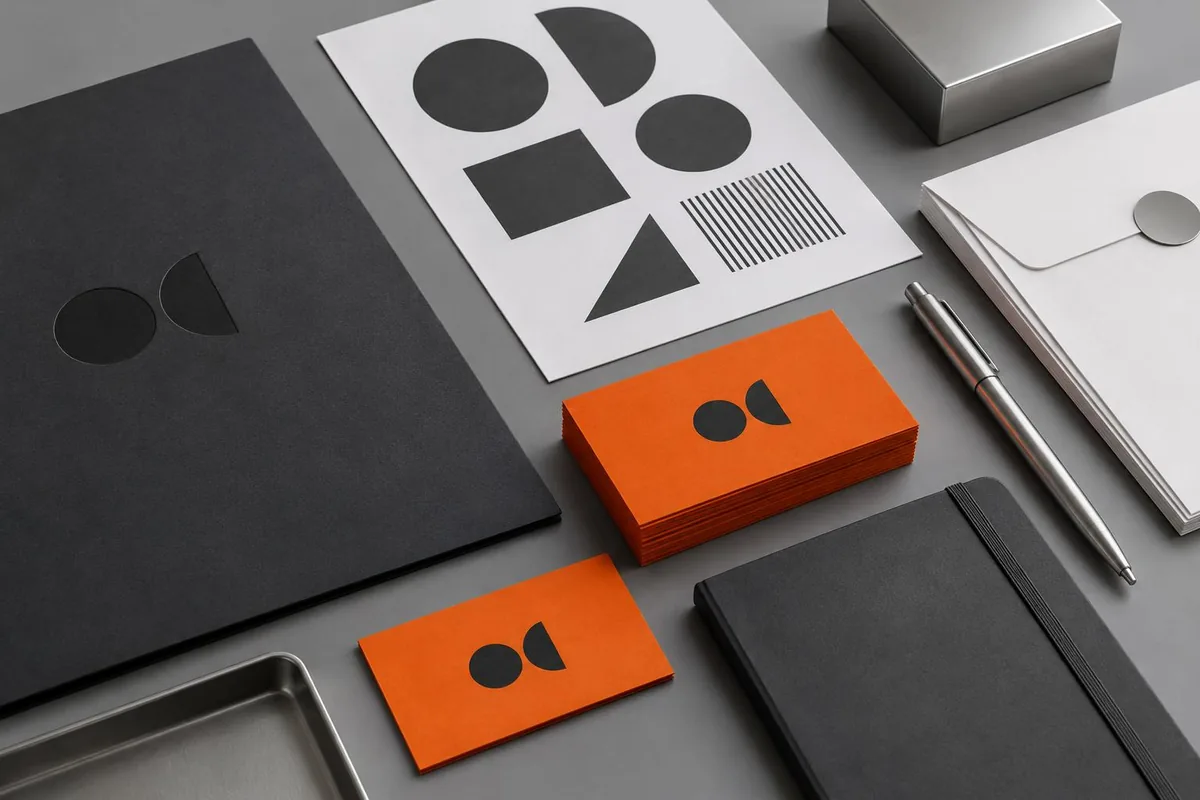
Create templates for the repeated work your team actually produces: announcement posts, decks, product updates and landing-page sections. Include examples of imagery, spacing and tone. These applications reveal gaps that a polished brand book can hide. Keep templates editable and give someone responsibility for updating them when the system evolves.
Review consistency without freezing the brand
A flexible system allows new campaigns while preserving recognition. Review a small sample of recent assets together and ask which cues remain visible. Adjust guidance when people repeatedly misunderstand it. A design system supports consistency, but clear ownership and day-to-day use are what keep it coherent.