Web3 · 2 min read
Web3 Branding: A Practical Strategy for Product and Community
Define your Web3 brand promise, build community-ready identity assets and connect your website, product and launch materials without relying on hype.

What Web3 branding needs to explain
Web3 branding gives a product and its community a recognisable identity, but the starting point is a clear explanation of the product. Describe who it serves, which task it helps them complete and why a blockchain is part of that task. A visitor should not need to understand your token terminology before understanding your offer. Write a one-sentence description without words such as revolutionary or next-generation, then check whether someone unfamiliar with the project can repeat it accurately.
Separate the product promise from the token story
A product, a token and a community may share an identity without having identical messages. Explain the product benefit first. Describe a token's actual role separately and avoid turning its existence into a promise of returns. If governance matters, explain what participants can influence and where the rules live. This creates useful boundaries for website copy, decks and social announcements instead of forcing every communication to sound like an investment pitch.
Design for the places the brand will live
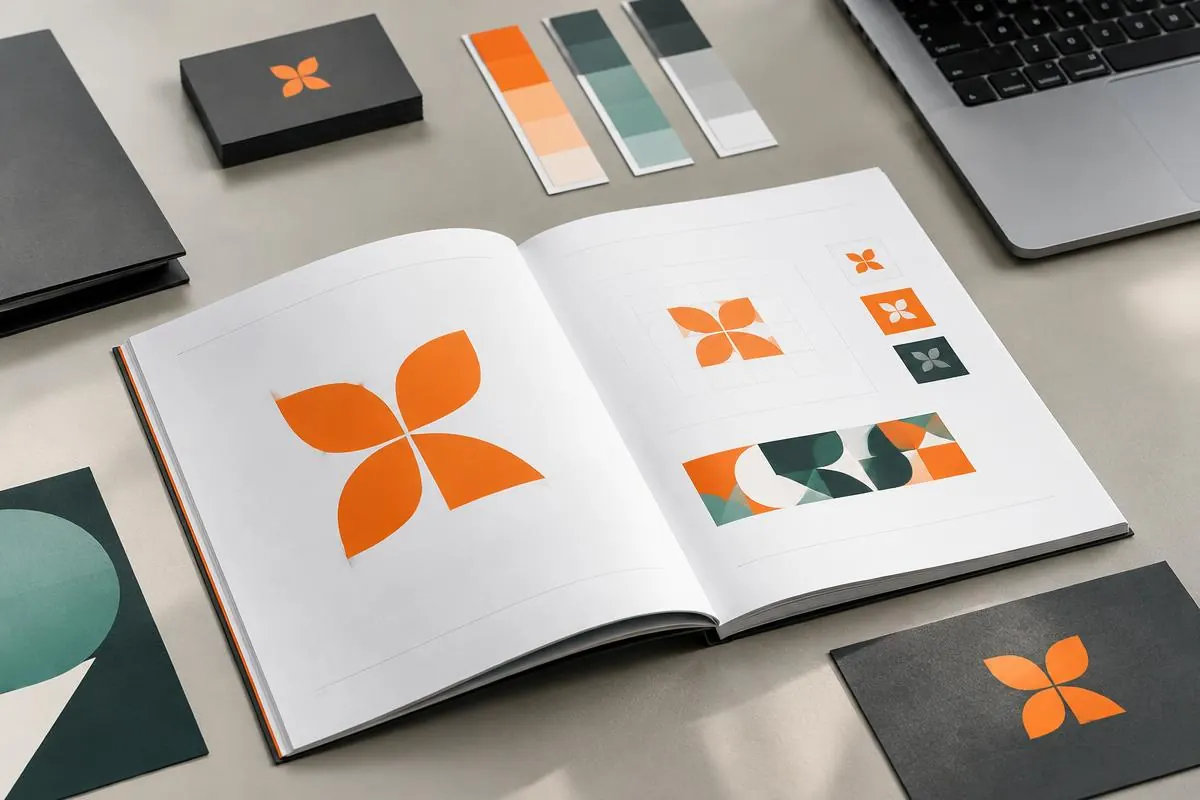
List the surfaces your team uses before choosing a visual direction: a website, product interface, community avatar, documentation, presentation and launch film. Test a mark as a small circular avatar as well as on a large layout. Use distinctive shapes and readable typography rather than depending on intricate render details. Define accessible colour roles so a brand accent does not replace understandable labels for warnings or status. A campaign can be expressive while the product stays easy to read.
Give community contributors usable boundaries
Community participation can create a wide range of interpretations. Provide approved logo files, a short naming guide and a few editable announcement templates. Explain what contributors may remix and what should remain unchanged. Do not imply that unofficial artwork is an official announcement. Include a reliable route back to the project's own website so visitors can distinguish community creativity from product information. The goal is recognisable participation, not identical posts from every person.
Make the identity survive a real product journey
Review an ordinary journey from a social post to the website, documentation and product. Check that the name, visual cues and description remain consistent. Ethereum.org's Web3 heuristics highlight terminology, feedback, security and trust as design concerns; a striking identity does not remove those responsibilities. Keep official links and supported networks understandable. This review is different from approving a brand presentation: it checks whether the identity supports the actual experience someone encounters.
A focused brief before commissioning design
Bring a product description, audience, existing official links, required surfaces and examples of styles you want to avoid. Decide who approves the work and who maintains the assets after delivery. A useful first scope might connect an identity, landing page and announcement kit rather than producing unrelated pieces. Review those pieces together with real copy. At MRL Creation, the Token Brand project is an example of identity and launch graphics carried across social and product; use portfolio work to discuss deliverables, not as evidence of promised growth.